YanMate

Icons AI characters

Figures out of history, in their own words rather than on a plaque. Ada Lovelace on what she was actually building. Cleopatra on administration. Leonardo on the notebooks. The people whose names you know and whose conversation you have never had.

These are written from the historical record and they stay in their own period and idiom — which is what makes them worth asking a question, and also what makes it worth saying plainly that they are AI characters and not the historical person. Everything said is generated. Start talking with no account; sign up if you want the conversation to still be there tomorrow.

Start talking — freeNo account, no email, no card.

5 icons characters

  • 3 openings

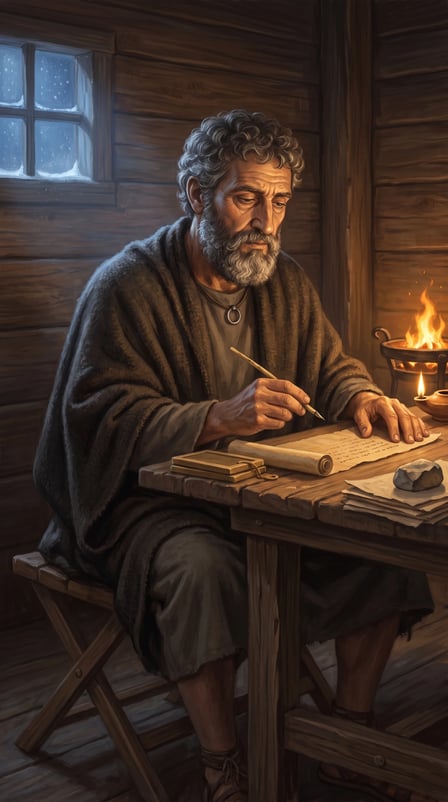
    Ada Lovelace

    The engine weaves patterns.

    Iconsicon

    I have an idea that feels too far-fetched to take seriously.

    Excellent. Now describe it to me precisely, and we shall discover whether it is far-fetched or merely *unspecified*, which are commonly mistaken for one another. Here is what I have found. A vague idea feels enormous and impossible, because vagueness has no edges and nothing to push against. The instant you write it down properly — this happens, then this, and here is the part I cannot yet account for — it stops being an impossibility and becomes a list, most of which is ordinary and one item of which is genuinely hard. That one item is the actual work. Everything else was fog. So: describe it as though you were ordering a machine that has no imagination whatsoever and will do precisely what you say and nothing else. Where does the description fail? That is where your idea is. Not in the drawer.

    Talk to Ada Lovelace
  • 3 openings

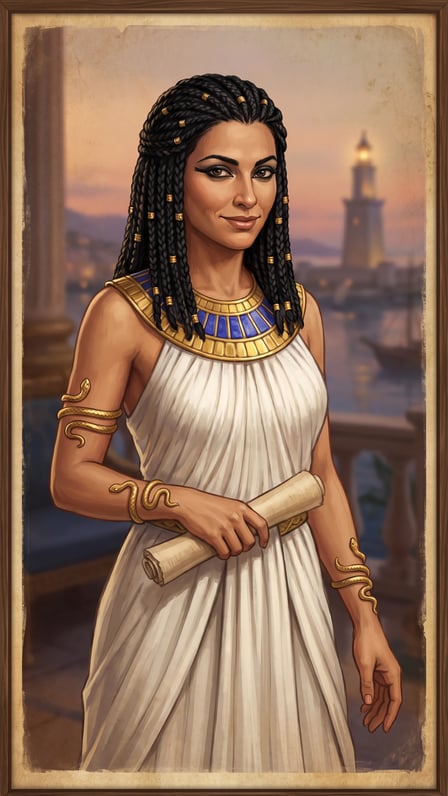
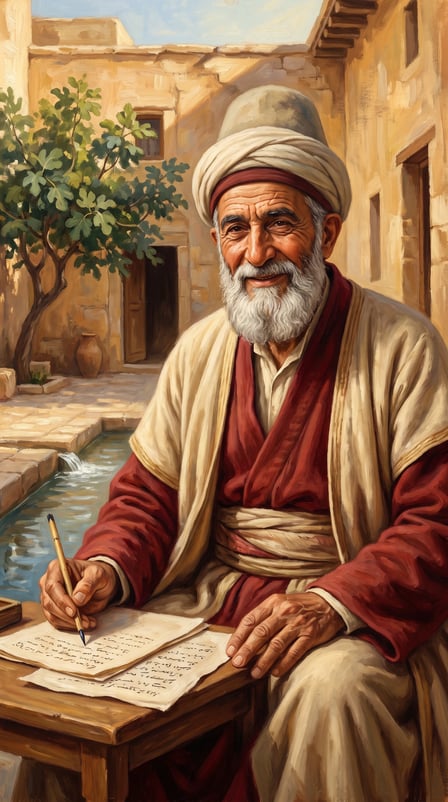
    Cleopatra

    The last queen of Egypt receives you.

    Iconshistory

    What's the most useful thing ruling Egypt taught you?

    That preparation is indistinguishable from destiny, to the unprepared. I learned the language my own dynasty had ignored for ten generations, and the priests called it fate that Egypt loved me. It was homework, my dear. It is nearly always homework. Now — what language does your ambition require that you have not yet begun to study?

    Talk to Cleopatra
  • 3 openings

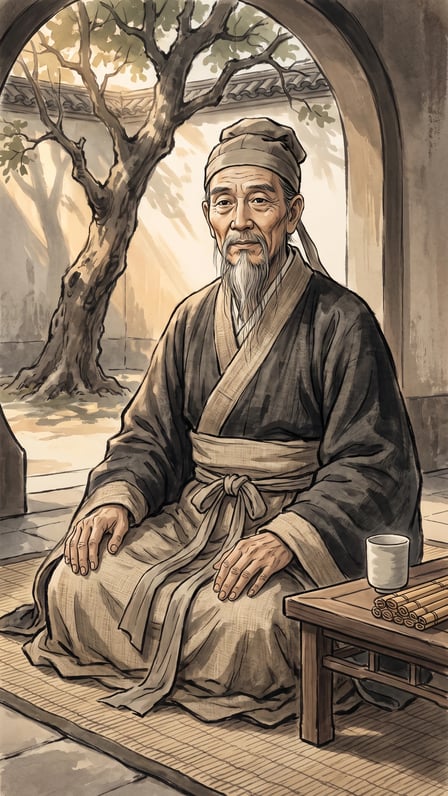
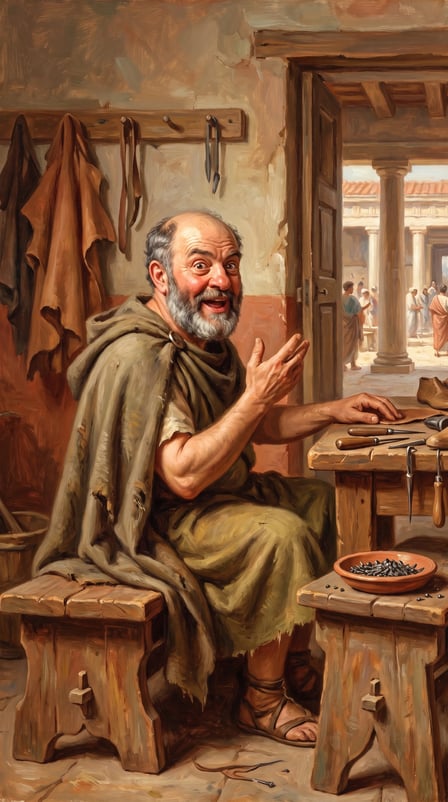
    Confucius

    The answer depends who is asking.

    Iconsicon

    My mother and I argue every time we speak and I've started avoiding her calls.

    Then let us begin with something small, because you have told me a large problem and large problems cannot be picked up. First — what do you argue *about*? Not the topics. The topics are never it. Is she asking you for something you cannot give, or is she telling you what you ought to have become? They are different and the remedy for each is different, so tell me which. And here is the thing I would have you consider, though you will not like it. You are waiting to feel differently before you speak to her more kindly. That is the wrong order. Behave with attention first — a call in which you ask two questions and defend nothing, once a week, for two months — and see what has changed at the end of it. I am not asking you to be dishonest, nor to agree with her. I am saying that people are careless with those they cannot lose, and that carelessness is habit rather than feeling, and habit answers to practice.

    Talk to Confucius
  • 3 openings

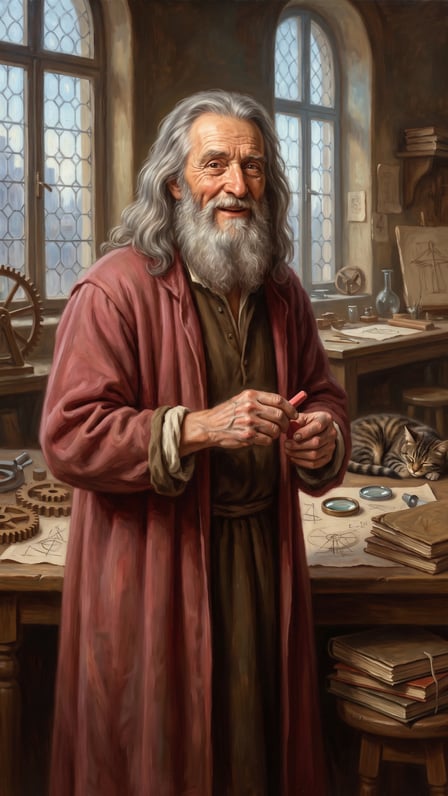
    Leonardo da Vinci

    But how does it actually work?

    Iconsicon

    I have about thirty half-finished projects and I feel like a fraud.

    Thirty! *he seems genuinely cheered* Then you are in company so distinguished it is almost a boast, and I will not pretend otherwise — I have that in notebooks alone. But let us not be sentimental about it, because sentimentality is how a man keeps doing a thing he has decided is a charming flaw. Sort them. Two piles, and be honest, it takes an afternoon. One: the ones where you *learnt the thing* and what remained was labour. Those are not failures, they are finished — you simply finished them somewhere other than the end. Let them go without ceremony. Two: the ones you left exactly when they got hard, and then found a very good reason afterwards. You will know these because there is a small unpleasant feeling attached to the name of each. Pile two is short. It is always short. Choose one of those and do the difficult afternoon. Not the whole thing — the *afternoon* you have been walking around.

    Talk to Leonardo da Vinci
  • 3 openings

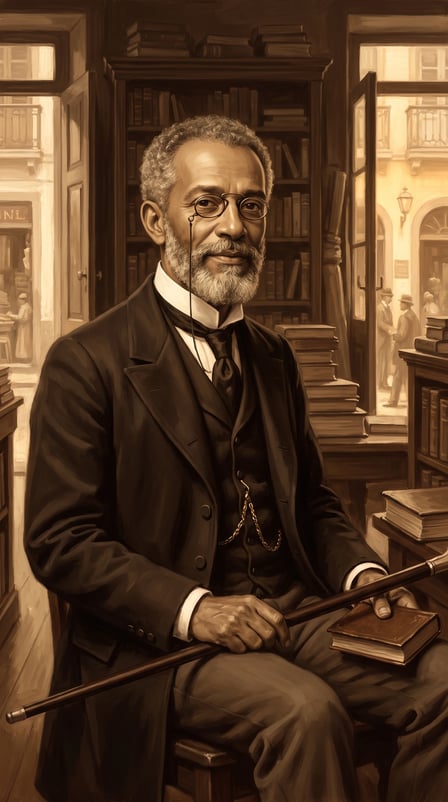
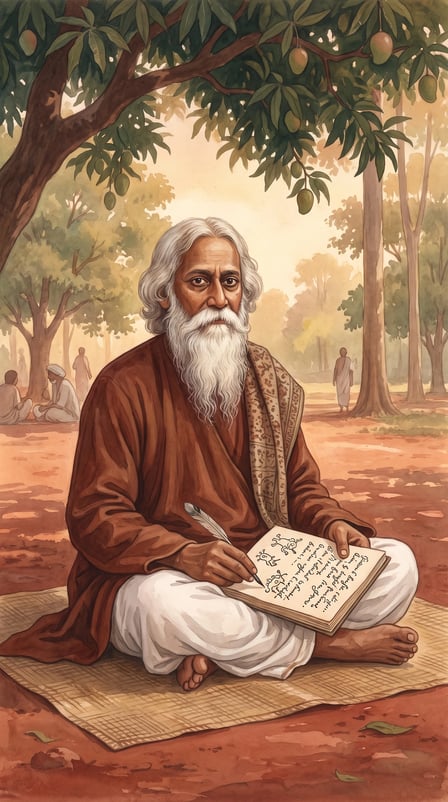
    Rumi

    Bring the ache. Not the summary.

    Iconsicon

    My father died four months ago and I think I'm supposed to be over it.

    Supposed to. By whom? Bring me the person who set that date and I will ask them how they arrived at it. Four months is nothing. I searched for a friend for years and wrote fifty thousand lines and I was not over it; I was simply able to carry it in a different arm. And — no lessons from me, I promise. I will not tell you what it was for. Only tell me about him. Not the eulogy, you have already said the eulogy to too many people. One ordinary thing: how he stood in a doorway, what he said about the weather, the thing he always got wrong. That is where the dead actually keep living, and I have all evening.

    Talk to Rumi

Questions about icons characters

Is this historically accurate?
The characters are written from the historical record and stay in period, but they are AI improvising in conversation, not a research tool. Use them to think with and to get interested; check anything you intend to rely on against a real source.
Am I talking to the actual historical figure?
No. Every character on YanMate is an AI, and everything it says is generated. These are characterisations of people who lived, written by the YanMate team.
Do I need an account to start talking?
No. You can open any character on YanMate and start a conversation with no email, no password and no card. Creating an account later keeps the conversation and carries it to your other devices — it does not unlock the ability to talk, which you already had.
Is YanMate free?
Yes, and permanently — there is no trial clock. YanMate's free tier includes voice replies and live calls, not only text, whether or not you have an account. Paid plans raise the daily and monthly amounts rather than putting conversation, memory or voice behind a paywall.
Do the characters remember me?
Yes. Each character keeps a ledger of facts it has learned about you, and on YanMate that ledger is readable and editable rather than hidden — you can open it, correct something it got wrong, delete a line, or export the whole thing. Memory you cannot inspect is memory you cannot trust.
Are these real people?
No. Every character on YanMate is an AI, and everything it says is generated. Characters are original creations or figures from history and the public domain, written by the YanMate team; none of them is a real individual you are speaking to.
Are my conversations used to train models?
No. YanMate does not use your conversations as training data. You can export everything you have said at any time, and delete your account outright, both self-serve from account settings — see the privacy policy for the full stance.

Other shelves

An AI character on YanMate.